Chapter 5
When structure starts to feel natural
Gary doesn’t notice the moment it happens.
There’s no new problem.
Nothing breaks.
No column feels wrong.
He’s just… faster.
He adds a new record without hesitating.
He links it without double-checking.
He fixes a name once and moves on.
The structure no longer needs his attention.
That surprises him.
The questions change
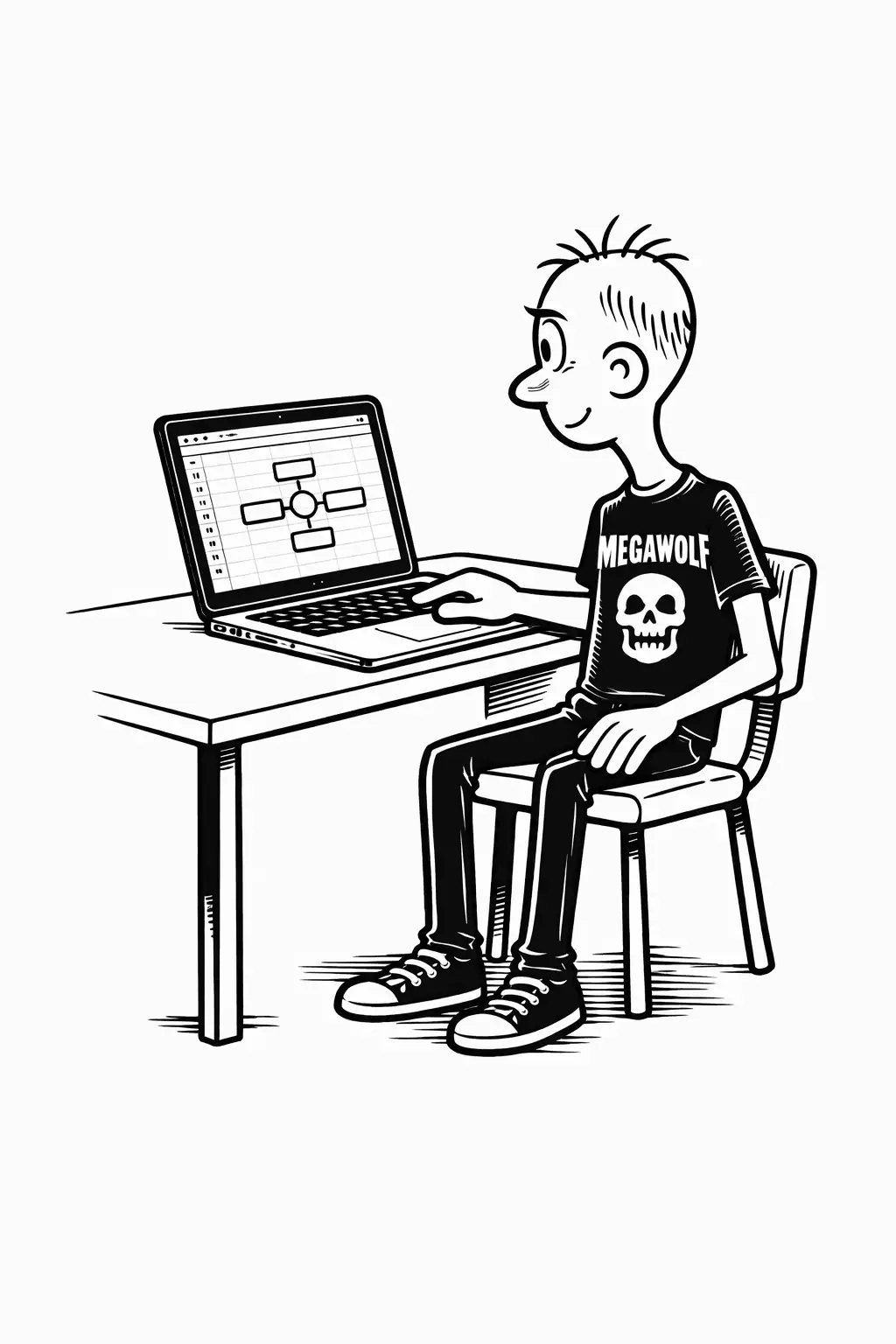
Earlier, Gary’s questions sounded like this:
- “Where should this go?”
- “Will this mess something up?”
- “What happens if I change this?”
Now, the questions are quieter:
- “What do I want to keep track of next?”
- “What would make this easier later?”
He isn’t reacting anymore.
He’s planning.
Trust replaces caution
Gary realizes he trusts the system.
Not because it’s clever.
Not because it’s complete.
But because it behaves the same way every time.
If he connects something, it stays connected.
If he fixes something, it stays fixed.
The system doesn’t surprise him anymore.
That’s new.
Thinking ahead feels safe
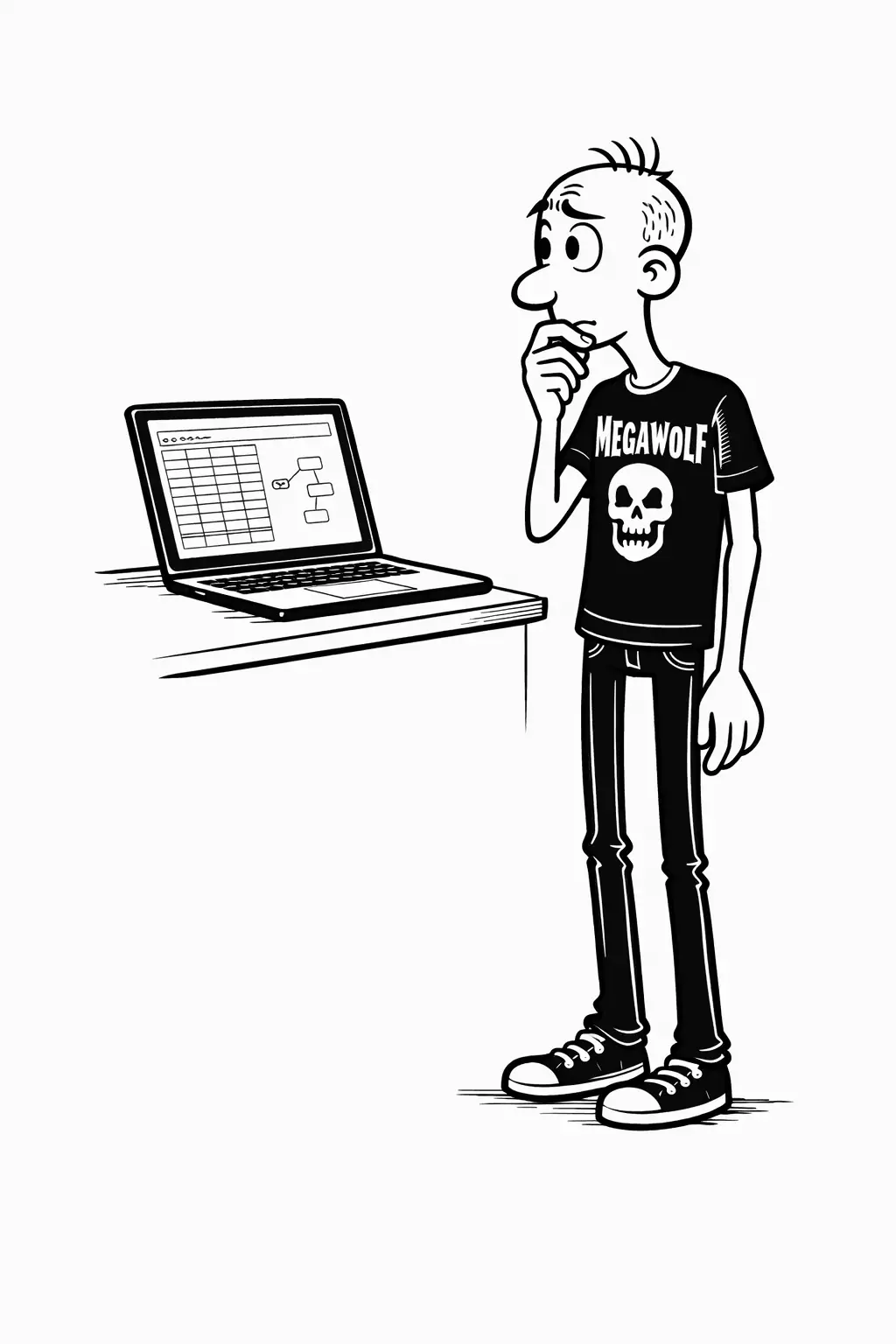
Gary starts thinking beyond records.
Not because he needs to —
but because he can.
He wonders what else he could keep track of.
What questions he might want to answer later.
What would help on busy days.
These thoughts used to feel risky.
Now they feel reasonable.
Nothing new — and that’s the point
Gary hasn’t learned a new technique.
He hasn’t added a new kind of table.
He hasn’t discovered a new rule.
What’s changed is confidence.
The structure no longer feels fragile.
It no longer feels temporary.
It feels like something he can build on.
What quietly shifted
Gary doesn’t think of this as modeling.
He thinks of it as:
“I know how this works now.”
But that’s exactly the shift.
When structure starts to feel natural,
it stops consuming attention.
And once attention is free,
new ideas have room to appear.
Continue reading
In the next chapter, Gary acts on that confidence.
He doesn’t improve the record list.
He doesn’t refine the structure.
He decides to keep track of people.