Chapter 16
When Gary becomes the rule engine
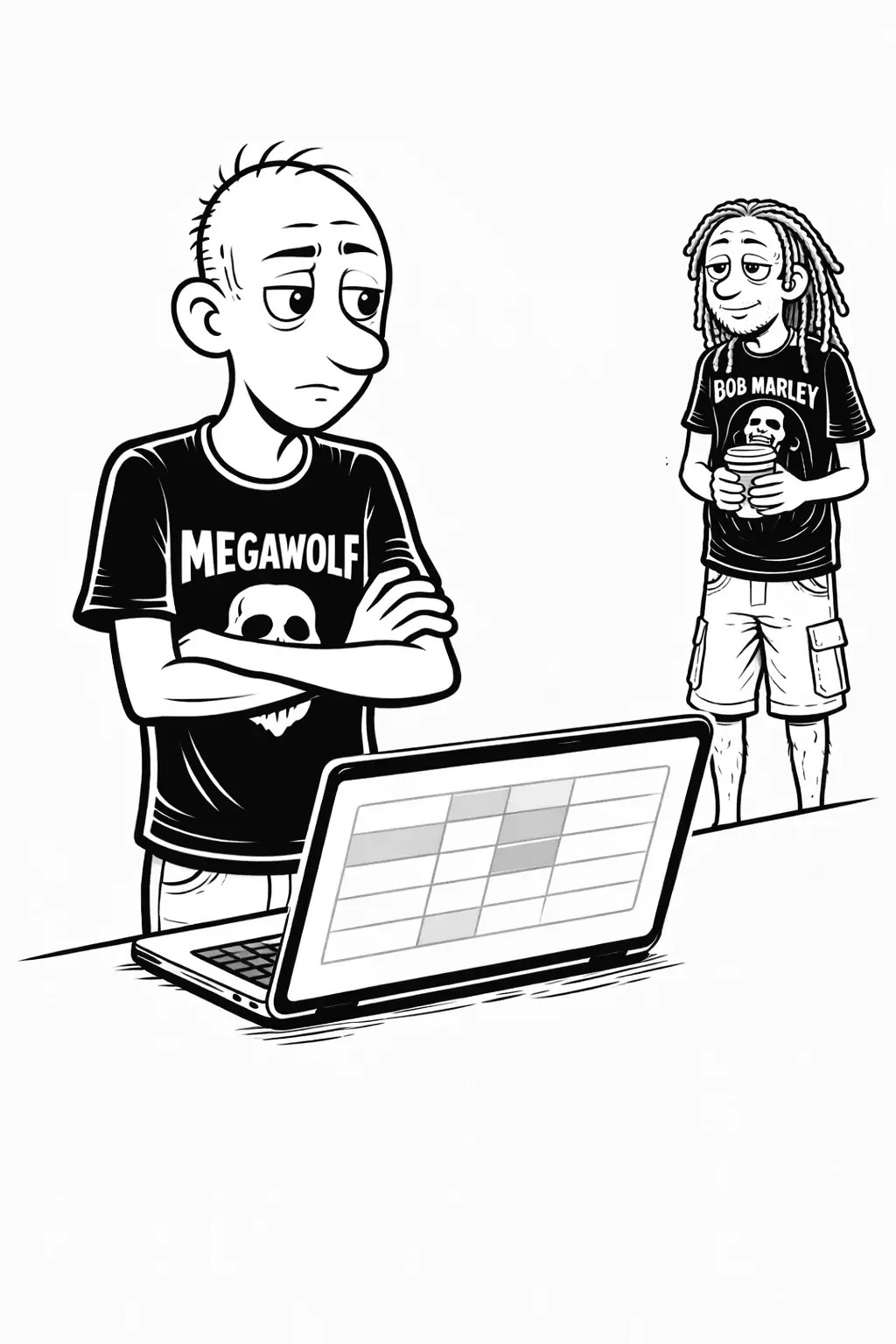
Nothing breaks.
That’s the problem.
Hank keeps entering records.
The sheet keeps highlighting cells.
Everything technically works.
So Gary adapts.
Gary fills in the gaps
Gary doesn’t change the rules.
He changes himself.
He remembers:
- which warnings matter
- which ones can be ignored
- which ones are okay if Hank did it
The spreadsheet doesn’t know any of this.
Gary carries it instead.
Enforcement without authority
Gary thinks back to what he realized earlier.
Some rules should block saving.
Most of the time.
But not always.
And not for everyone.
Right now, the system has no way to express that.
So every rule becomes:
- strict in theory
- soft in practice
Because the only way to allow exceptions
is for Gary to allow them in his head.
Bypass happens — but silently
Sometimes Hank should move on.
Sometimes speed matters more than completeness.
Gary is fine with that.
What he isn’t fine with
is how it happens.
A bypass looks exactly like a mistake.
There’s no:
- signal that a rule was overridden
- reason recorded
- distinction between allowed and accidental
The system can’t tell the difference.
So later, neither can Gary.
The weight shifts to people
The rules exist.
But enforcement doesn’t.
So responsibility lands on whoever is paying attention.
Gary starts to notice the pattern:
- when he’s around, things are fine
- when he’s busy, things blur
- when he’s away, meaning erodes
The system doesn’t hold intent.
People do.
And people get tired.
This isn’t governance
Gary is clear about one thing now.
He doesn’t need more rules.
He needs rules that can:
- stop actions by default
- allow deliberate exceptions
- make those exceptions visible
Without that, every rule is conditional
on someone remembering why it exists.
That’s not control.
That’s hope.
Continue reading
Gary finally says it out loud.
“I need the system to carry this — not me.”
That’s when Sam explains why a spreadsheet has reached its limit, and what kind of system is actually built to handle this kind of responsibility.