Information in Business Systems
Representation and semantics — how systems describe reality and what that description means
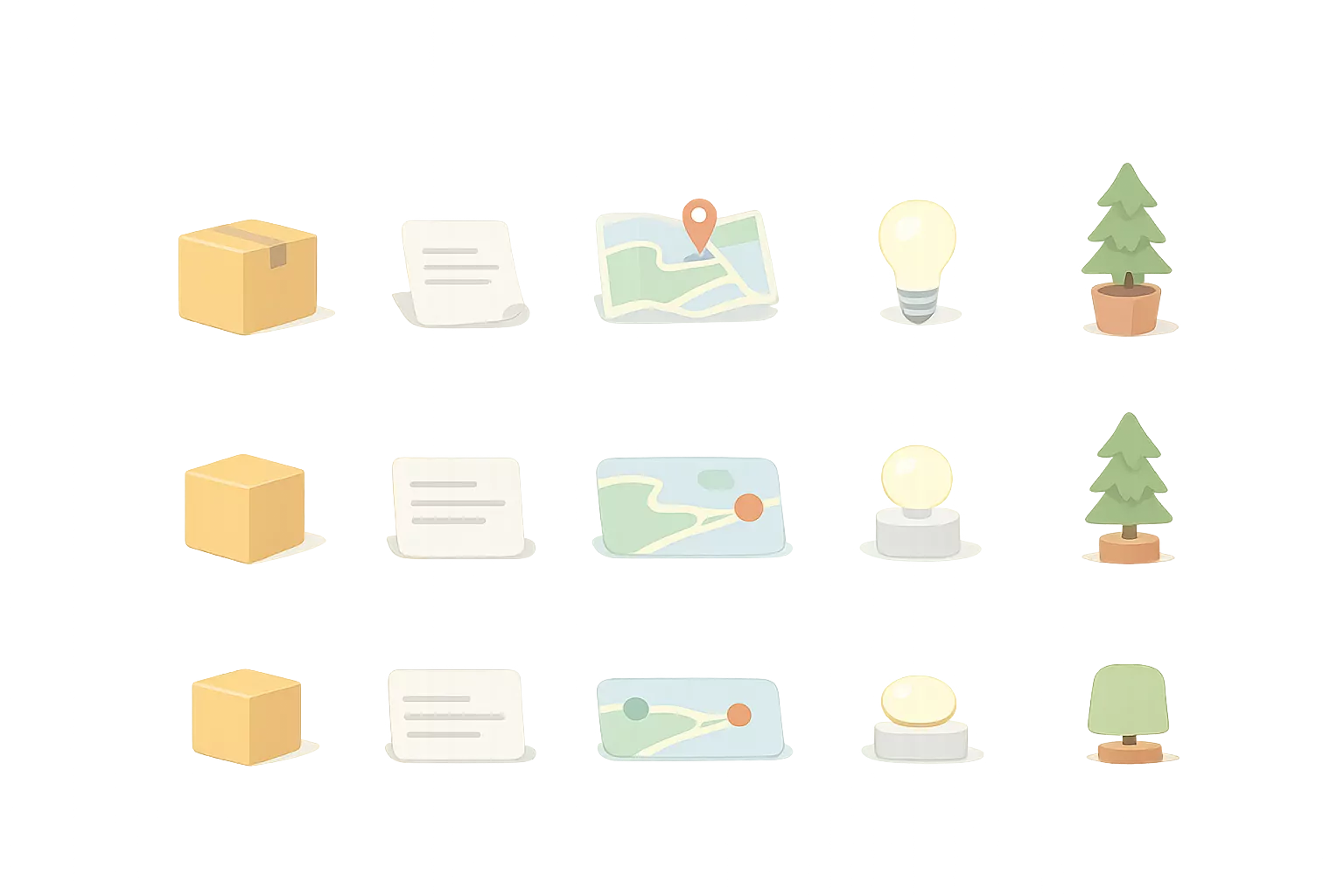
Information is not something a business adds when it buys software. It is something the business already runs on.
Before digital systems, organizations still depended on information: who someone is, what something is, what belongs to what, and what is allowed. Software did not invent these needs. It made them explicit and formal. Business systems are not machines that create information; they are mechanisms that describe reality in a way that allows work to happen.
To understand business systems, it helps to ignore screens, vendors, and features for a moment and look at what sits underneath. At that level, systems are attempts to describe the real world using simplified structures and shared meanings. Everything else builds on that.
This article explains that foundation using two lenses only: representation and semantics.
Information is always a simplification
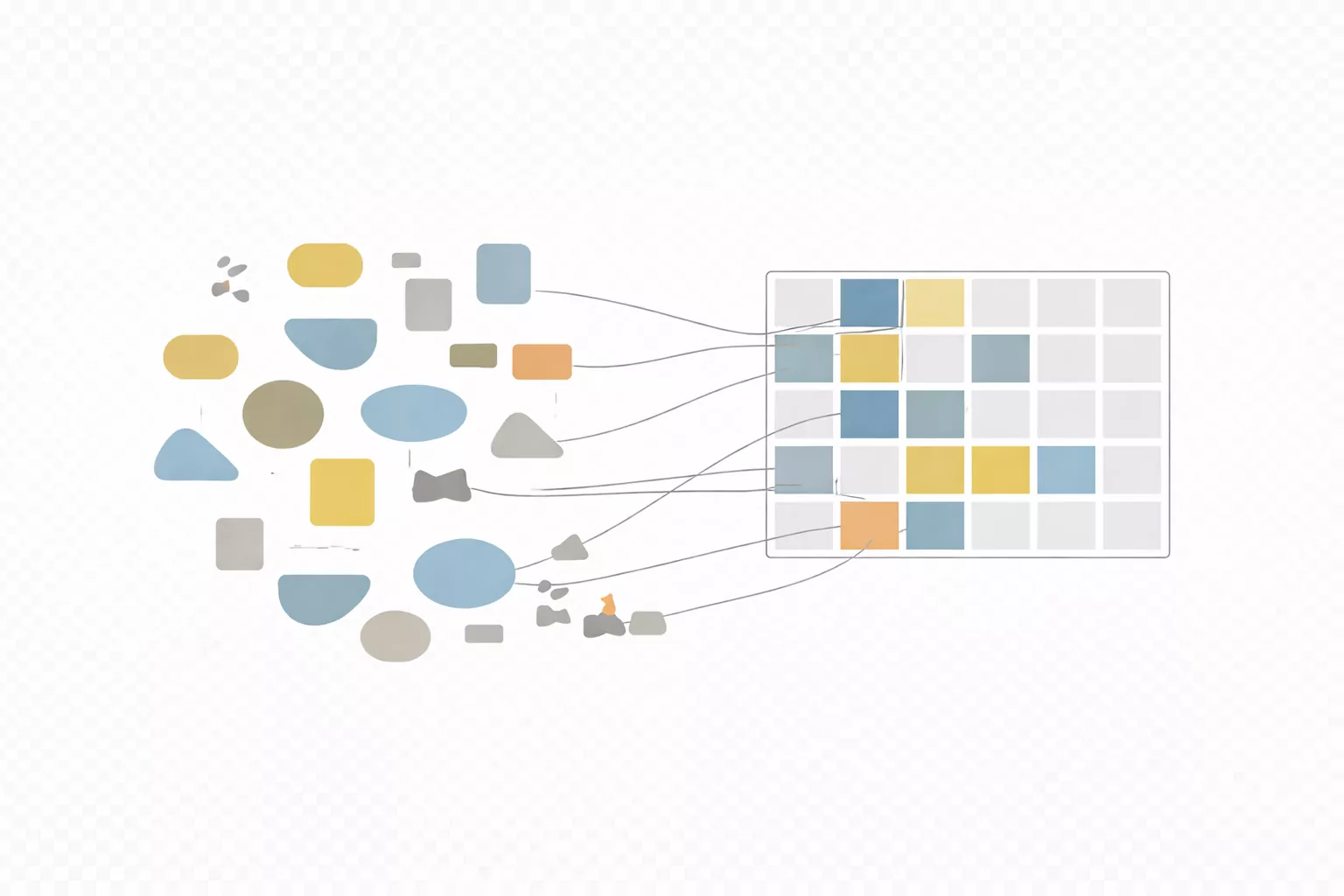
Reality is complex, inconsistent, and full of exceptions. Systems are not. A system must simplify reality in order to operate. It turns people, things, and events into stable shapes it can work with. A person becomes a record. An order becomes a row. A situation becomes a status. A connection becomes a reference.
This simplification is not a flaw. It is necessary. The important question is whether the simplification still matches how the business actually works.
A useful way to think about this is a map. A map is not the territory. It leaves things out on purpose so that navigation is possible. As long as the map reflects reality in the ways that matter, it is useful. When it leaves out the wrong things, people get lost even though the map itself is accurate.
Business systems work the same way.
Representation: how information is structured
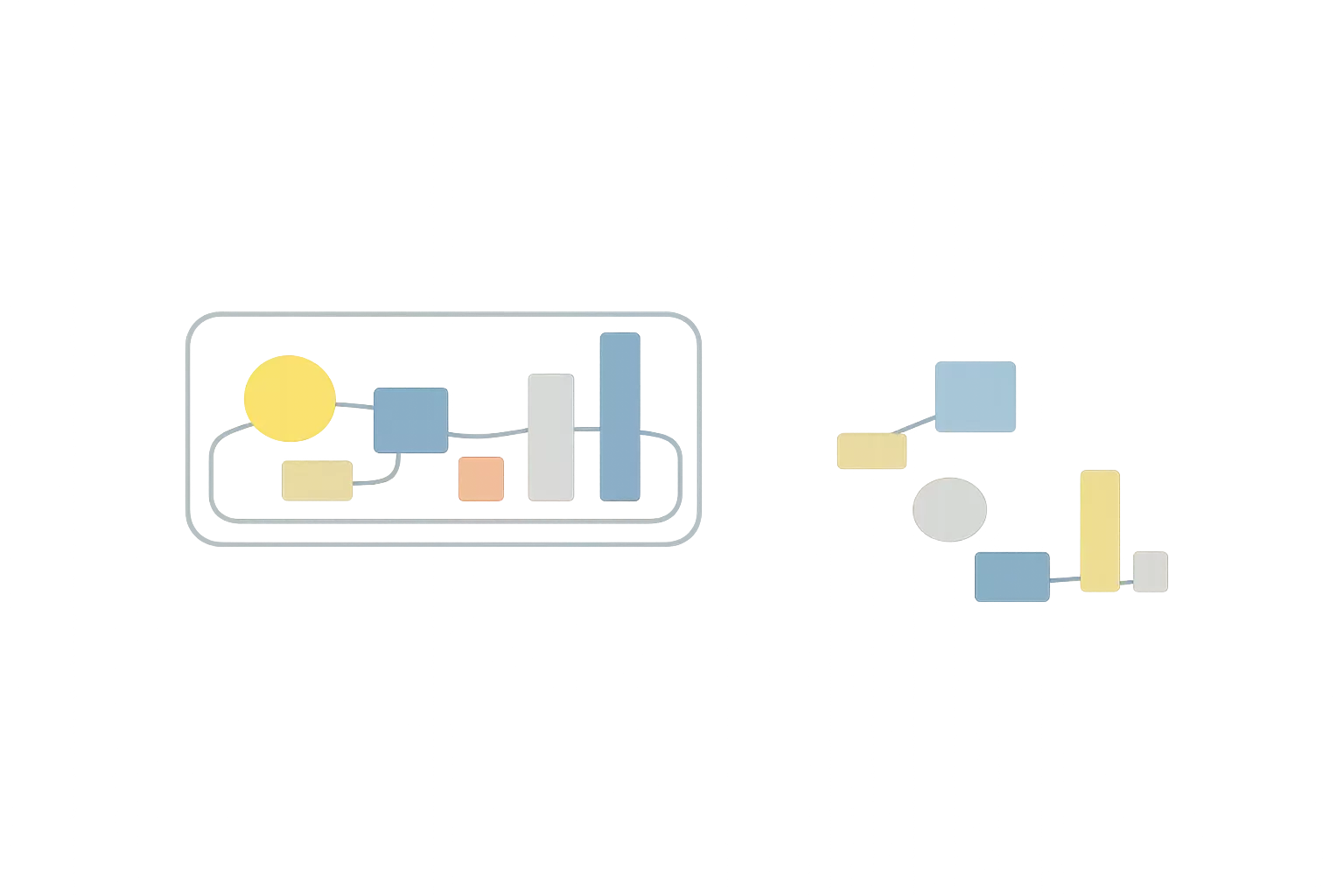
Representation is the shape information is forced into inside a system. It defines what the system believes exists and how those things can be described.
Every system makes decisions about representation, whether consciously or not. These decisions show up as tables, fields, categories, required values, and fixed formats. Together, they form the container that reality must fit into in order to be visible and usable.
If a system has a single address field, reality must pretend that addresses are simple. If a system allows only one owner, reality must pretend that ownership is straightforward. If a system has a fixed set of statuses, reality must move through those states even when it doesn’t quite fit.
What fits inside the structure becomes manageable. What does not fit is pushed elsewhere. It ends up in comments, notes, emails, spreadsheets, or in people’s heads. This is not misuse. It is a sign that representation and reality no longer align.
Over time, this mismatch becomes normal. People stop noticing the structure itself and only experience its effects. Workarounds feel natural. Extra steps feel unavoidable. The system still functions, but it no longer reflects the business clearly. Instead, the business adapts itself to the system.
This is how representation quietly shapes behavior.
Semantics: what information is understood to mean

Representation alone is not enough. Information only works if people understand it in the same way.
Semantics is about meaning. It is about how information is interpreted, trusted, and used. Two systems can store the same information and still mean different things. Even within a single system, the same value can be understood differently depending on role, context, or habit.
Consider a simple term like “active customer”. One person may read it as someone who has purchased recently. Another may understand it as someone with an open contract. A third may think it means anyone who has not churned. If the system does not make that meaning explicit and shared, the data exists but understanding does not.
Meaning is not stored in fields. It lives in shared assumptions. When those assumptions are aligned, information feels reliable. Reports make sense. Decisions feel grounded.
When assumptions drift, information becomes something that needs explanation. Meetings turn into reconciliation sessions. Trust slowly erodes.
This is why many organizations say they have plenty of data but still struggle to agree on what is true. The issue is rarely that information is missing. It is that semantics are fragmented.
The tension between representation and semantics
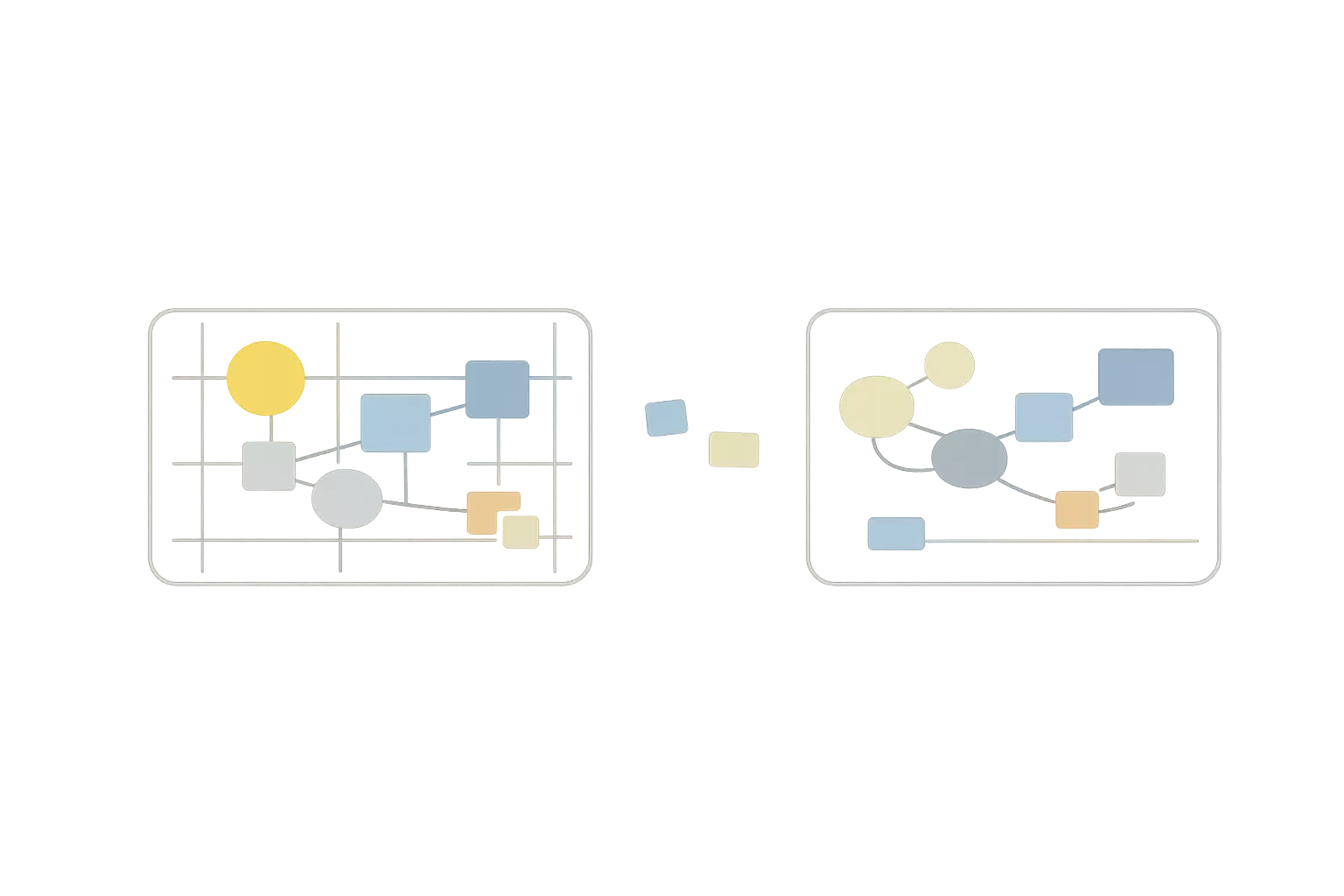
Representation and semantics constantly compensate for each other.
When representation is too rigid, people rely on semantics to fill the gaps. Meaning lives outside the system because the structure cannot express it.
When semantics are unclear, people try to fix the problem with more structure. Fields and categories are added in the hope that clarity will emerge. Sometimes it helps. Often it adds complexity without resolving ambiguity.
Most system friction lives in this space between structure and meaning.
Why systems feel so different
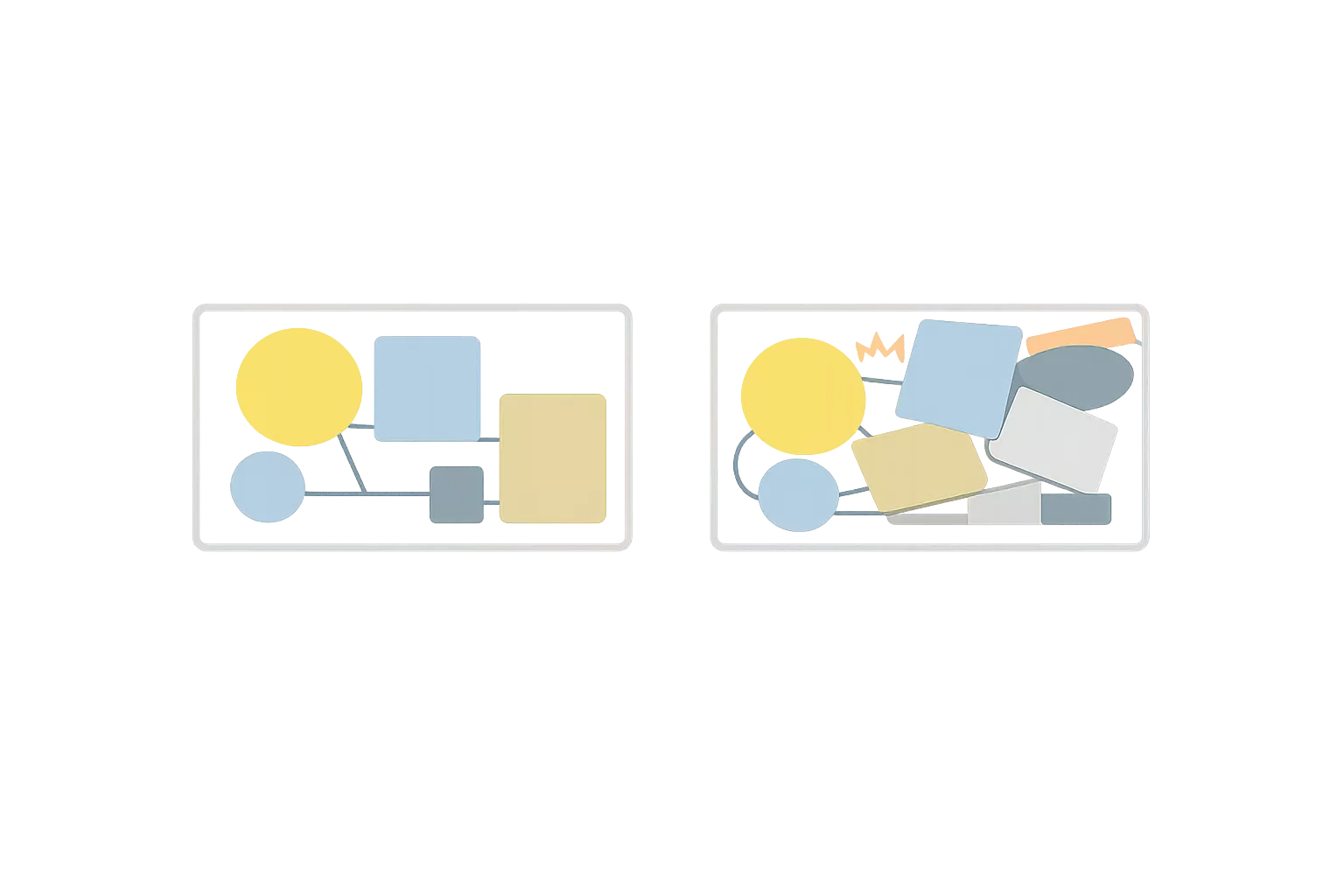
Two systems can appear to do the same job and still feel completely different to work with. The reason is not usually features.
One system represents reality in a way that matches how the business actually thinks and talks. Its structure feels natural, and its meanings are clear. Another system forces awkward simplifications and relies heavily on implied meaning. It still works, but it feels brittle and frustrating.
Understanding systems at this level explains why some tools scale with an organization while others quietly become obstacles.
A simple mental anchor
Business systems are not neutral containers for data. They are descriptions of reality.
Representation decides what the system can see.
Semantics decides what the system’s information is understood to mean.
If you understand those two things, you understand the system — not technically, but structurally. You can see why it behaves the way it does, why it feels supportive or restrictive, and why people work through it or around it.
That understanding is the purpose of this article.